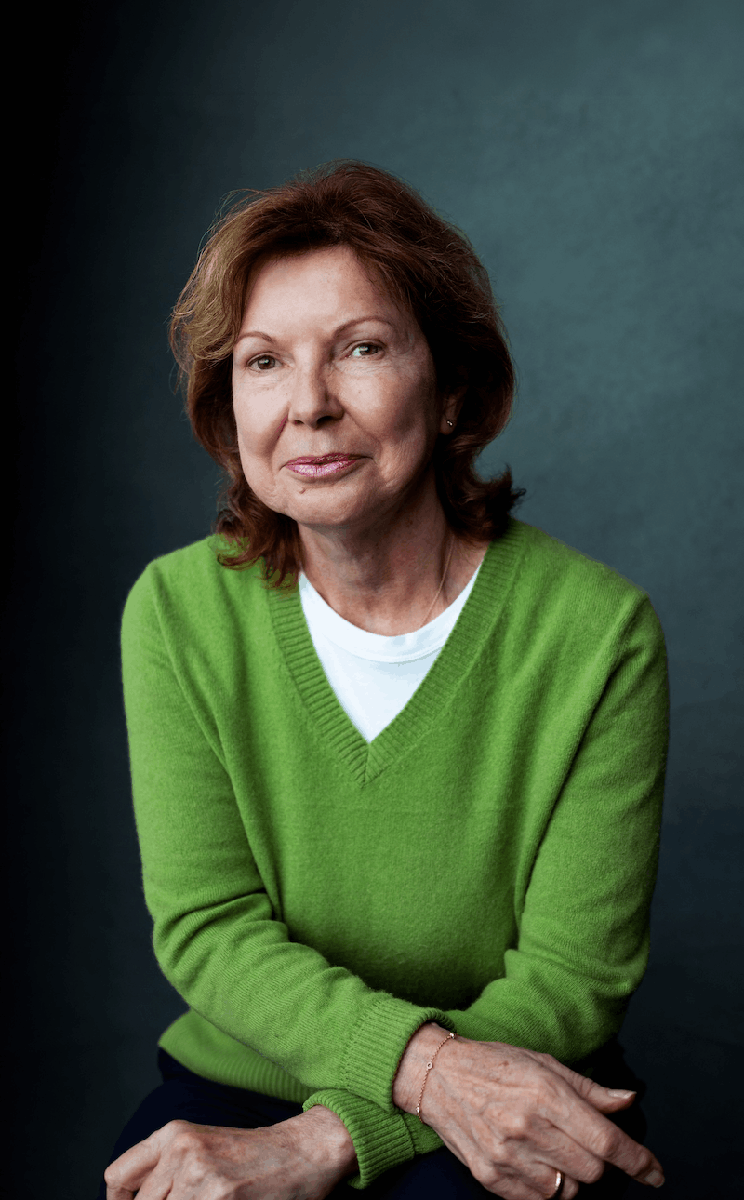
Cindy Etherton
About the Author
Prior to becoming an author and co-founding a writing charity, I worked in executive recruitment and coaching, taking me to 22 countries to work with teams, groups, and individuals on their effectiveness and the importance of connectedness and trust. It was a fascinating, educational, and inspirational experience dealing with cultural differences and a range of people and their unique challenges, quirks, and qualities. The work required skills in client relationships, collaboration, behavioural analysis, and the writing ability to describe character, personality, and emotional complexities in a succinct and specific way. So many inspiring and amazing life stories.
I fulfilled my long-held dream of becoming a writer during the first lockdown and devoted myself to furthering my education in creative writing, understanding the publishing and bookselling industries, and founding and developing a writing group with a difference, i.e. Real Writers Circle. I studied with Curtis Brown Creative, collaborated with specialists on manuscript development, and received generous mentorship from some leading industry figures. To test and develop ideas and enhance book launch impact and reader engagement, I’ve performed with my colleagues to audiences at the Brighton Festival, York Literary Festival, and The Coast is Queer. I’m interested in crime and criminal justice and the weirdness of human behaviour. Don’t Call This Fiction is my first published book.
My passions are reading and writing, friends and family, community, and the arts. I especially enjoy theatre and cooking. I live in Brighton and London with my adopted daughter, wife, two dogs and a cat.
Ask me a Question
Fierce friends Esther and Ben go from their messy twenties to their thirties, encouraging and relying on each other. There’s love, laughs, other friends, and family dynamics. When he, the one person who understood her, takes his life, there’s a drastic knock-on effect on her state of mind and identity. She seeks comfort and care, but in doing so discovers what she was not looking for. Hope is Bill Clinton’s birthplace.
A determination to get clear on what matters most inspired me. It takes a long time to know oneself and to understand others, and writing a memoir speeds up the process. I needed to explore the psychology of love and what it takes to face hard truths, survive, and thrive. Humour was essential when tackling life’s darkest moments. It was my chance to bring to life some highly colourful characters. I love reading memoir and that inspired me too. Putting into words my story changed the way I look at things.
Working in those sectors taught me to calm my thoughts and pay full attention to what others communicate, think and feel, and to observe how they act. It was the ideal setting to hone skills in observation and to develop the specificity needed to write about behaviour and motivations. There is often incongruity between the inner and outer life and exploring that space fascinated me. Human dynamics and how we respond to challenges and circumstances are an endless interest. Developing the writing skills to capture the essence of a character is my lifelong challenge.
Because I’m astounded by the acts of kindness, big and small, that I’ve encountered and known of. I believe that these acts truly save lives. This is a recurring theme in my writing.
Writing has had the most profound effect on understanding the past and people, which informs my perspective on the present. It’s given me an outlet for expressing feelings and then looking at life from ‘both sides now’! The title of a Judy Collins song, which is one of my favourites and is in Don’t Call This Fiction.
Can you tell us anything about your next book, A Place Called Hope?
What inspired you to write Don’t Call This Fiction?
How did your background in executive recruitment and coaching influence the way you observe people and write about human behaviour?
Why is kindness such an important theme in the book?
What role did writing play in helping you understand the past?